
Industry
Food Service Equipment

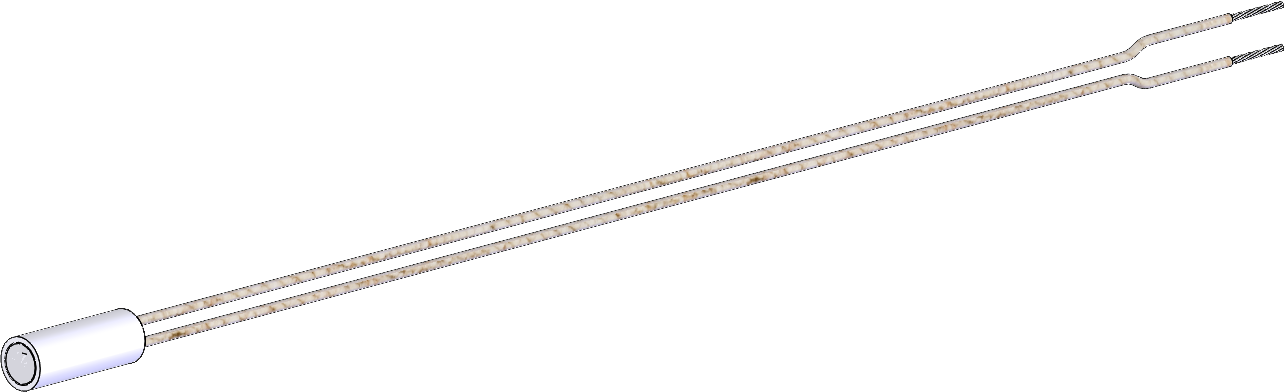




A leading food service equipment manufacturer was experiencing repeated failures with a standard thin-film RTD installed under a ceramic glass cooktop. Their existing design used:
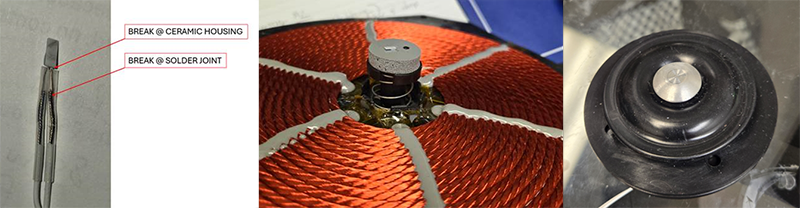
Two primary failure points emerged:
The 90° bend required for assembly created repeated mechanical stress on the pigtails and soldered connections—making the design highly susceptible to open-circuit failures.
To eliminate bending stress and reinforce mechanical stability, we recommended a redesigned thin-film RTD assembly:


Pricing, delivery, returns, repairs or replacement questions.

Application, specification or custom solution questions.
Business hours are M-F, 8-4:30 EST.
We strive to respond in less than 24 hours.
Contact us at +1 617 923 6977 for immediate assistance.
United Electric Controls will not send you unwanted email or provide your email address to third parties
Business hours are M-F, 8-4:30 EST.
We strive to respond in less than 24 hours.
Contact us at +1 617 923 6977 for immediate assistance.
United Electric Controls will not send you unwanted email or provide your email address to third parties